
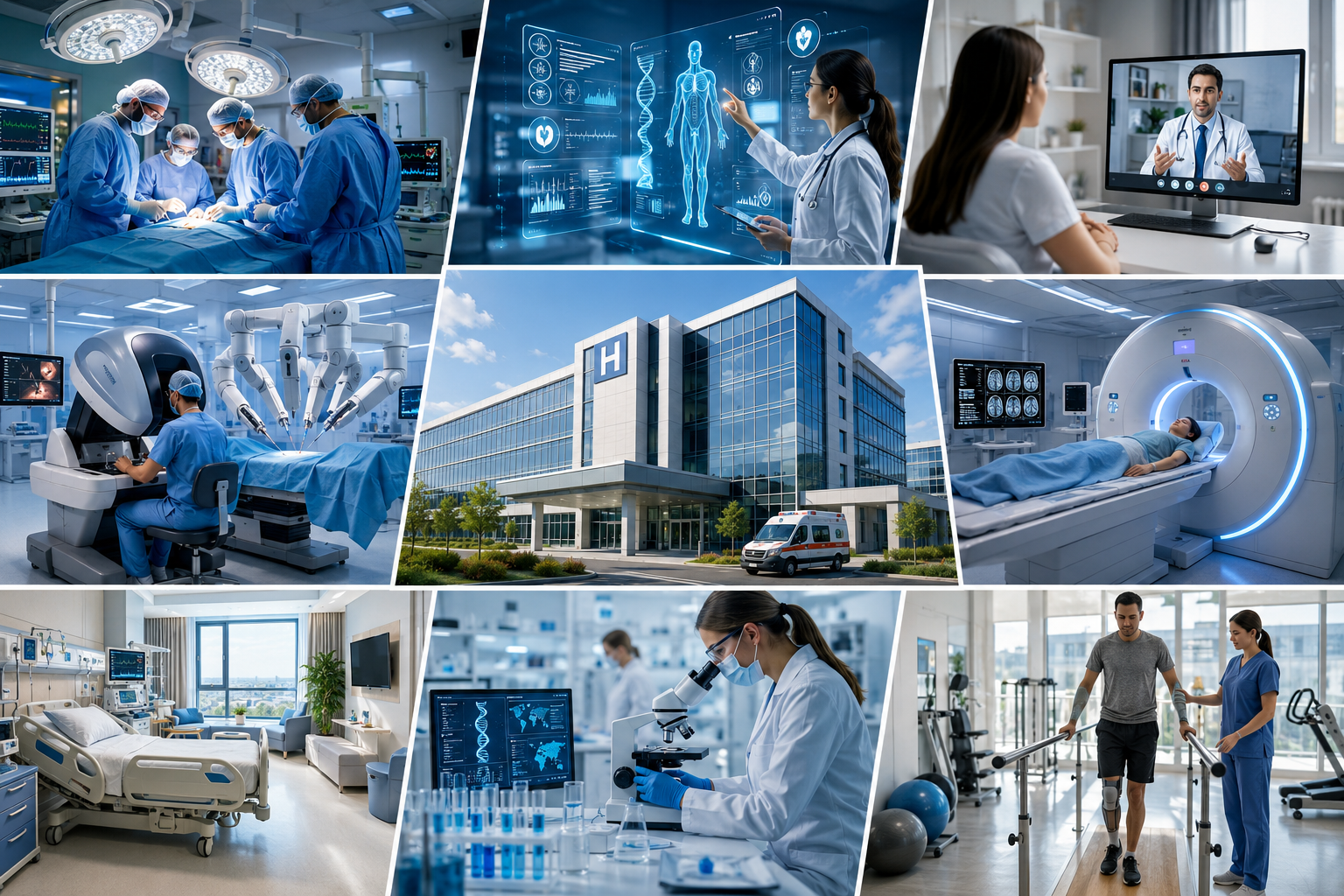
Hospitals around the world provide a wide range of medical treatments designed to diagnose diseases, manage health conditions, and improve patients’ quality of life. From routine healthcare and emergency services to advanced surgery and specialized cancer treatment, modern hospitals combine medical expertise, technology, and supportive care to meet different healthcare needs. The treatments available can vary depending on the country, hospital facilities, medical specialists, and level of technology.
Primary and General Medical Treatments
Most hospitals provide general medical services for common illnesses and health concerns. These may include treatment for infections, respiratory problems, digestive disorders, minor injuries, dehydration, and other common conditions. Physicians usually begin with a medical history and physical examination before recommending laboratory tests, imaging, medication, or other treatments.
General medical departments can also help patients manage chronic conditions such as diabetes, hypertension, asthma, and heart disease. Regular monitoring and personalized treatment plans can help reduce complications and support long-term health.
Emergency and Critical Care
Emergency departments are among the most important services offered by hospitals. They provide immediate medical attention to patients experiencing serious injuries, sudden illnesses, breathing difficulties, severe infections, chest pain, or other potentially life-threatening conditions.
For patients requiring continuous monitoring or intensive treatment, hospitals may provide Intensive Care Units (ICUs). Critical-care teams can use advanced monitoring systems, respiratory support, intravenous medications, and other specialized treatments to stabilize seriously ill patients.
Surgical Treatments
Surgery is another major category of hospital-based treatment. Hospitals perform procedures ranging from relatively simple operations to highly complex surgeries involving multiple specialists.
Common procedures may include appendectomy, gallbladder surgery, hernia repair, orthopedic procedures, and treatment of traumatic injuries. Larger medical centers may also offer cardiac surgery, neurosurgery, organ transplantation, and minimally invasive procedures.
Modern surgical techniques increasingly use laparoscopic and robotic-assisted technologies in selected procedures. These approaches may allow smaller incisions, reduced tissue damage, and potentially faster recovery for appropriate patients.
Cancer Treatment
Cancer care is an important area of modern hospital medicine. Specialized cancer centers may provide diagnosis, staging, surgery, chemotherapy, radiation therapy, targeted therapies, immunotherapy, and supportive care.
Treatment depends on factors such as the type and stage of cancer and the patient’s overall health. Many hospitals use multidisciplinary teams in which oncologists, surgeons, radiologists, pathologists, nurses, and other specialists work together to develop individualized treatment plans.
Cardiology and Heart Care
Hospitals worldwide also provide specialized cardiovascular services. Cardiology departments diagnose and treat conditions such as coronary artery disease, heart rhythm disorders, heart failure, and hypertension.
Diagnostic procedures may include electrocardiograms, echocardiograms, stress testing, and cardiac imaging. Advanced hospitals may also perform catheter-based procedures, including angioplasty and stent placement, as well as complex cardiac surgeries when necessary.
Neurology and Neurosurgery
Neurology departments focus on conditions affecting the brain, spinal cord, and nervous system. Hospitals may treat patients with stroke, epilepsy, migraines, Parkinson’s disease, multiple sclerosis, and other neurological disorders.
Neurosurgery can be used for certain brain and spinal conditions when surgery is medically appropriate. Rapid diagnosis and treatment are particularly important in emergencies such as stroke, where early medical intervention can significantly affect outcomes.
Orthopedic and Rehabilitation Services
Orthopedic departments treat problems involving bones, joints, muscles, ligaments, and connective tissues. Treatments may include medication, physical therapy, injections, fracture management, and surgery.
Joint replacement procedures, such as hip and knee replacements, are commonly performed in specialized hospitals. Rehabilitation services can then help patients regain mobility, strength, and independence following surgery or serious injury.
Maternity and Pediatric Care
Hospitals provide specialized services for mothers, newborns, and children. Maternity departments may offer prenatal monitoring, labor and delivery services, cesarean sections, and postpartum care.
Pediatric departments focus on the unique healthcare needs of infants, children, and adolescents. Some larger hospitals have neonatal intensive care units (NICUs) for premature or critically ill newborns.
Diagnostic and Preventive Services
Accurate diagnosis is essential for effective medical treatment. Hospitals use laboratory testing, X-rays, ultrasound, CT scans, MRI scans, pathology, and other diagnostic technologies to identify diseases and monitor treatment progress.
Many hospitals also emphasize preventive healthcare. Health screenings, vaccination programs, nutritional counseling, lifestyle guidance, and routine checkups can help identify health risks before they become serious problems.
The Future of Hospital Treatment
Healthcare is continually evolving as medical research and technology advance. Artificial intelligence, precision medicine, telemedicine, robotic surgery, advanced imaging, and personalized therapies are increasingly influencing modern healthcare.
However, access to advanced treatment remains different across countries and regions. Factors such as healthcare infrastructure, cost, insurance coverage, availability of specialists, and medical technology can affect which treatments patients can receive.
Conclusion
Hospitals worldwide offer an extensive range of treatments, from basic medical care and emergency services to highly specialized surgery, cancer therapy, cardiac care, neurological treatment, and rehabilitation. The best treatment depends on the patient’s condition, medical history, diagnosis, and professional medical assessment. As technology and medical research continue to progress, hospitals are likely to provide increasingly precise, efficient, and personalized healthcare while focusing on improving patient safety and outcomes.








Leave a Reply